Flatbed Hire Lincoln
Call +44 20 8154 5320

Self-drive dropside hire guide for Lincoln

Flatbed and dropside hire in Lincoln for homes, trades and business

Open-bed vans and lorries make light work of timber, pallets, fencing and site supplies. This guide helps Lincoln customers pick a sensible size, understand weight and licence limits, secure the load properly and plan where the vehicle will stand when it is time to unload.

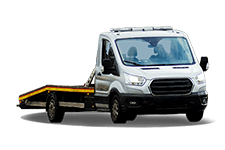
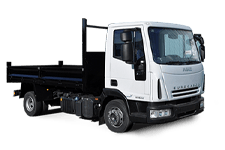
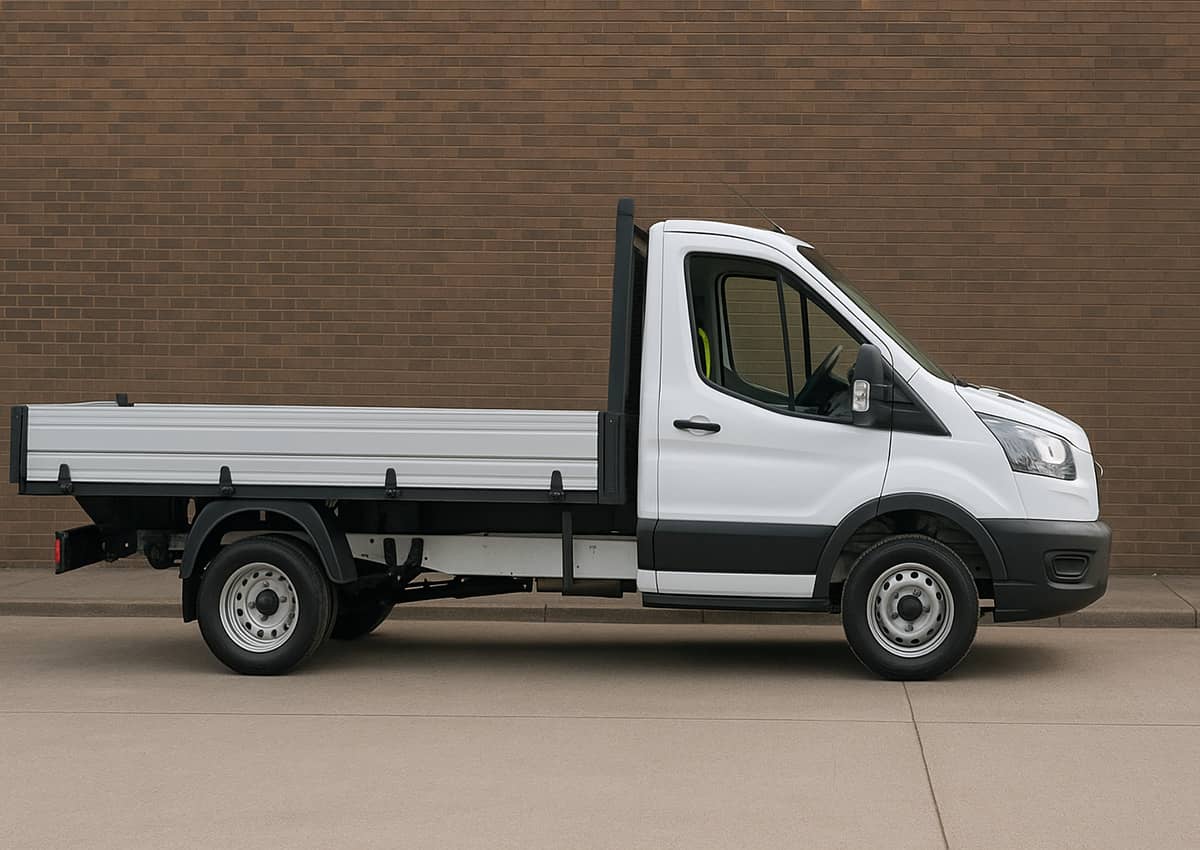
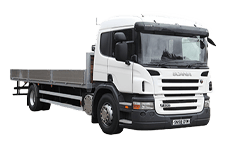
Representative flatbed truck; allocated vehicle must be confirmed

Speak to the flatbed booking team

+44 20 8154 5320

Choose from the load, not the badge

Flatbed and dropside options for Lincoln

These are representative vehicle categories. Weight class is not cargo payload: the allocated vehicle’s actual payload, bed dimensions, equipment, driver requirements and availability must all be confirmed before booking.

3 metre dropside van hire category

Flatbed and dropside category

3 metre dropside van

A compact open-bed category with folding sides for trade loads and sites where a larger lorry would be awkward.

  • timber, fencing and boards
  • bagged or palletised materials
  • tools and smaller machinery
Cargo payload
1100 kg (representative)
Bed length
3 m (representative)

The published 1,100 kg figure is representative only. Confirm the allocated vehicle's payload, bed width and load restraint.

Enquire about this vehicle
4 metre dropside van hire category

Flatbed and dropside category

4 metre dropside van

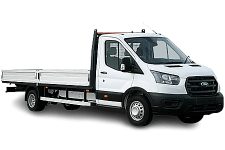
A longer open-bed category for loads that need more deck length or side access than the shorter dropside.

  • long timber and pipe
  • palletised site supplies
  • event and landscaping materials
Bed length
4 m (representative)
Bed width
2 m (representative)

Published dimensions are representative. Confirm actual payload, body dimensions and overhang rules before booking.

Enquire about this vehicle
Dropside with tail lift hire category

Flatbed and dropside category

Dropside with tail lift

An open-bed option to discuss when a suitable tail lift may help with palletised or wheeled goods.

  • palletised loads
  • wheeled equipment
  • destinations without a loading dock
Bed length
4 m (representative)
Bed width
2 m (representative)

Tail-lift capacity is not vehicle payload. Confirm both figures, platform size, pallet-truck use and unloading surface.

Enquire about this vehicle
7.5 tonne dropside lorry hire category

Flatbed and dropside category

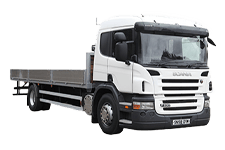
7.5 tonne dropside lorry

A larger dropside category for longer, heavier or multi-pallet loads when the route, driver and unloading plan suit a lorry.

  • scaffolding and pipe
  • multiple pallets
  • larger machinery and site supplies
Gross weight class
7.5 tonnes gross vehicle weight
Bed length
6 m (representative)
Bed width
2.35 m (representative)

C1 entitlement and possible commercial-use requirements apply. Confirm actual payload, bed dimensions and operating conditions.

Enquire about this vehicle
Phone-led matching
Discuss the load, route, access, driver and dates before a category is proposed.
Booking confirmation
Availability and final terms are confirmed during the booking process.
Address-level checks
Delivery and collection depend on the exact postcode, access and safe standing space.
Terms kept visible
Mileage, insurance, deposits and permitted use vary and must be checked for the hire.

Planning flatbed hire in Lincoln

Hiring an open-bed vehicle in Lincoln usually starts with two questions: what are you moving, and where will it come off? A dropside suits timber, fencing panels, pipe, bagged aggregates, pallets and small plant because the sides fold down and the load can be reached from more than one direction. For a homeowner finishing a garden project, a joiner collecting sheet materials or a firm moving supplies between sites, that side access saves time and effort, provided the load is planned, restrained and unloaded properly.

This page explains how to choose between the main dropside categories, how to think about weight and licence entitlement separately, and what drivers should sort out before arriving at a street address in the city. Specifications shown here are representative. Payload, bed size, equipment and hire conditions must be confirmed for the actual vehicle the supplier offers before you commit to a booking.

Choosing the right dropside for the job

Start with the load, not the vehicle. List each item with its length, width, height and weight, then add the equipment you will need to restrain it. A 3 metre dropside is the compact choice for fencing, boards, bagged materials and tools, and it is easier to place on a residential street or in a tight yard. A 4 metre dropside gives extra deck length for longer timber, pipe or landscaping materials, which can remove the need for rear overhang on some loads.

A dropside with a tail lift is worth discussing when palletised or wheeled goods must come off at a destination with no forklift or loading dock. The tail lift has its own rating, separate from vehicle payload, and both figures need checking. The 7.5 tonne dropside lorry suits multiple pallets, scaffolding and larger machinery, but only when the driver holds the right entitlement and the route and unloading area can genuinely take a lorry.

Sources: Nationwide Hire UK: 3 metre dropside, Nationwide Hire UK: 4 metre dropside, Nationwide Hire UK: dropside with tail lift, Nationwide Hire UK: 7.5 tonne dropside

Weight, payload and licence are separate questions

Gross vehicle weight, also called maximum authorised mass, is the most the loaded vehicle may weigh, and it is normally shown on the plate or sticker. Payload is what remains once the vehicle itself, fuel, driver and passengers are accounted for. A van plated at 3.5 tonnes cannot carry 3.5 tonnes of materials. Pallets, packaging and restraint equipment all count, so include them in your running total.

Licence entitlement follows the plated maximum authorised mass. Category B generally covers vehicles up to 3.5 tonnes, while vehicles above 3.5 and up to 7.5 tonnes normally need C1. Check the categories on each driver's current licence rather than relying on memory, and ask the supplier about any age, experience or commercial-use conditions. If a load's weight is uncertain, use a weighbridge before setting off, and after part drops the remaining goods may need moving so no single axle is overloaded.

Sources: GOV.UK: vehicle weights explained, DVSA: HGV overloading basics, GOV.UK: driving licence categories

Securing the load and working with open sides

Open access is the main benefit of a dropside, and it is also the feature that demands most care. Loads must be secured for the journey and cannot rely on their own weight or friction to stay put. Match restraint to the actual load: ratchet straps through rated anchorage points for bundled timber, friction matting and chocks for items that could slide, and a headboard against forward movement. Sheeting hooks and rope hooks are not anchor points.

Before loading, inspect the platform, sides, hinges and anchorage points, then confirm whether the supplier provides straps or whether you must bring your own rated equipment. Lower sides one at a time and keep people clear of the swing. Measure any projection beyond the deck, because official guidance sets marking and, in some cases, advance notice requirements depending on how far a load extends at the rear or sides.

Sources: DVSA: securing loads on HGVs and goods vehicles, DVSA: load securing basics, DVSA: ways to secure a load, DVSA and DfT: overhanging loads on vehicles

Working vehicle or quick drop? On-street waivers in Lincoln

Decide early whether your truck is a working vehicle that stays at the address or one that arrives, unloads and leaves. The county council's on-street waiver guidance is aimed at trades vehicles that need continuous access to tools and materials throughout a job. It is not issued to private motor vehicles and is not a route to convenient parking.

That distinction shapes the booking. A roofer using a dropside as a mobile store all day has a very different case from a homeowner dropping off fencing panels in twenty minutes. If restrictions at the address would stop a hired truck staying while you work, check eligibility and current signs before collection. A waiver does not reserve a space, so know where the truck will go if bays are full. This guidance concerns on-street parking; car parks run by the district council have their own terms, so check those directly.

Sources: Lincolnshire Council: waivers

Planning a bay suspension around the whole truck

Where a street delivery needs clear kerb space, the county council's suspension process asks how many six-metre bays you need and expects a marked plan. Measure the whole vehicle, bumper to bumper, rather than quoting the deck length. A 4 metre deck sits on a vehicle noticeably longer than four metres, and a 7.5 tonne lorry is longer again.

Then add the working space around it. Lowered sides, a deployed tail lift, a pallet truck path and a safe zone for anyone handling materials all extend the footprint. Applications need at least 21 days' notice, so a suspension belongs at the start of the plan, not the week before. Suspended bays may still be occupied on the day, so agree a fallback unloading position and name someone to check the space before the truck arrives.

Sources: Lincolnshire Council: suspensions

Unloading safely at the destination

Agree the unloading method with whoever is receiving the goods before setting off. Loading areas should be clear and level, with the vehicle standing as stably as possible. On a sloping drive or soft verge, dropped sides and a tail lift both become harder to manage, and loads can shift the moment restraints come off.

Release straps gradually and check for movement before lowering a side. Unload in an order that keeps the remaining load balanced, and never stand beside a load that could topple as the side opens. If a forklift or telehandler is involved, confirm who is operating it and that they are competent on that machine.

Sources: HSE: safe loading and unloading, DVSA: securing loads on HGVs and goods vehicles

Benefits for each customer, and the conditions attached

Private customers can collect bulky garden, DIY or building supplies without arranging separate deliveries, as long as payload and licence fit the job. Trades gain side access and a vehicle that can be matched to the week's work, provided restraint, parking and insurance cover are settled in advance.

Commercial users may be able to choose between compact dropsides and 7.5 tonne lorries, subject to supplier availability, although larger vehicles bring licence, operator and route questions. Published terms from any hire company only show the kinds of conditions you may meet, such as deposits, mileage, damage and permitted use. Read the confirmed terms from your actual supplier before signing, and ask about anything the booking documents leave unclear.

Sources: Third-party reference: Nationwide Hire UK terms and conditions, GOV.UK: driving licence categories
Full truck range

Other vehicles to ask about

If an open-bed flatbed is not the right body type, the booking team can discuss these adjacent commercial categories. Every card is an enquiry category rather than a promise that a particular model is locally stocked.

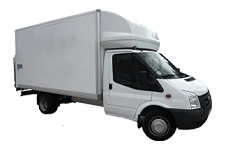
3.5 tonne Luton box with tail lift hire category

Other vehicle category

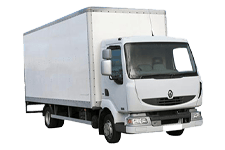
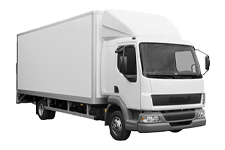
3.5 tonne Luton box with tail lift

Enclosed box-body category for bulky removals and deliveries where weather protection and assisted loading matter.

Confirm internal dimensions, payload and tail-lift capacity for the allocated vehicle.

Enquire about this vehicle
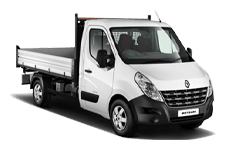
3.5 tonne tipper Transit hire category

Other vehicle category

3.5 tonne tipper Transit

Compact tipping-body category for suitable loose materials and site work.

Waste carriage, destination acceptance, payload and tipping conditions must be confirmed.

Enquire about this vehicle
3.5 tonne recovery truck hire category

Other vehicle category

3.5 tonne recovery truck

Vehicle-transport category with a recovery bed and winch, subject to the carried vehicle's measured weight.

Confirm recovery use, bed rating, carried vehicle weight, licence and insurance before booking.

Enquire about this vehicle
7.5 tonne box truck with tail lift hire category

Other vehicle category

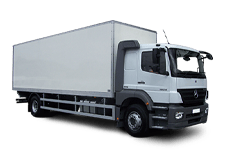
7.5 tonne box truck with tail lift

Larger enclosed-body category for commercial deliveries and removals with assisted loading.

Confirm C1 entitlement, payload, internal body dimensions and tail-lift capacity.

Enquire about this vehicle
7.5 tonne curtainside truck hire category

Other vehicle category

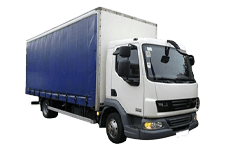
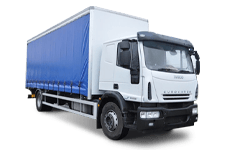
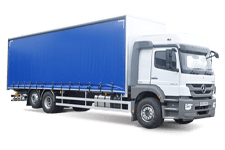
7.5 tonne curtainside truck

Curtainside body for side access to palletised goods while retaining weather protection.

Confirm C1 entitlement, payload, curtain/body dimensions and load restraint.

Enquire about this vehicle
7.5 tonne dropside truck hire category

Other vehicle category

7.5 tonne dropside truck

Open-sided lorry category for bulky building materials, timber and machinery.

Confirm C1 entitlement, actual payload, bed dimensions, route and unloading method.

Enquire about this vehicle
7.5 tonne tipper truck hire category

Other vehicle category

7.5 tonne tipper truck

Larger tipping-body category for appropriate aggregates, soil and site materials.

Confirm C1 entitlement, operator position, payload, waste rules and tipping-site conditions.

Enquire about this vehicle
7.5 tonne sleeper tail-lift truck hire category

Other vehicle category

7.5 tonne sleeper tail-lift truck

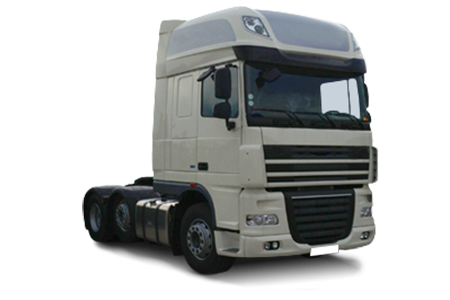
Longer-distance box or delivery category combining a sleeper cab and tail lift.

Confirm body type, sleeper provision, payload, tail-lift capacity and driver requirements.

Enquire about this vehicle
18 tonne box truck hire category

Other vehicle category

18 tonne box truck

Heavy enclosed-body category for larger commercial transport and distribution requirements.

Specialist heavy-vehicle licensing, operator, insurance and availability checks apply.

Enquire about this vehicle
18 tonne curtainside truck hire category

Other vehicle category

18 tonne curtainside truck

Heavy curtainside category for larger palletised or industrial loads needing side access.

Confirm payload, body dimensions, route restrictions and commercial operating requirements.

Enquire about this vehicle
26 tonne curtainside truck hire category

Other vehicle category

26 tonne curtainside truck

High-capacity rigid curtainside category for substantial commercial loads.

This is a specialist heavy-vehicle enquiry; confirm all operator, driver, route and payload conditions.

Enquire about this vehicle
44 tonne articulated truck hire category

Other vehicle category

44 tonne articulated truck

Articulated heavy-goods category for specialist large-scale freight and long-distance commercial work.

Specialist operator, driver, site-access, route, insurance and load-planning requirements apply.

Enquire about this vehicle

Quote checklist

Have the whole job ready

A useful quote begins with the measured load and both ends of the journey.

Flatbed hire questions for Lincoln

Can I leave a hired dropside parked on a Lincoln street while I work?

Follow the posted restrictions at the address first; where signs allow parking, that may be enough. A county council waiver may be relevant only where restrictions would otherwise stop a trades vehicle staying while work continues. It is not issued to private vehicles and does not reserve a space.

How early should I arrange a bay suspension for a Lincoln delivery?

Apply at least 21 days ahead, sizing the request on the whole truck plus working space rather than the deck alone. Keep an alternative unloading spot in mind in case a bay is not clear.

Does the 3.5 tonne weight mean a dropside can carry 3.5 tonnes?

No. That figure is the maximum authorised mass of the loaded vehicle. Usable payload is much lower once the vehicle, fuel and occupants are counted. Confirm the allocated vehicle's payload before loading.

What licence do I need for a 7.5 tonne dropside lorry in Lincoln?

Vehicles above 3.5 tonnes and up to 7.5 tonnes normally need C1 entitlement, while category B generally stops at 3.5 tonnes. Check your current licence and ask the supplier about any extra driver conditions.

Will load straps and restraint equipment come with the hire?

Never assume they will. Ask the supplier exactly what is provided, check its condition and rating, and bring suitable rated equipment if needed. Restraint must suit the actual load and must use proper anchorage points, not sheeting hooks.

Local sources and supporting guidance

Check current rules and the destination signs before travelling. Category specifications are examples, not allocated-vehicle guarantees.